
Research Portfolio
Modeling complex systems where behavior, networks, system dynamics, and policy interact
Jump to section
Overview
Our research develops mathematically grounded, simulation-based models of complex adaptive systems. We focus on settings where individual behavior, social structure, and institutional policy co-evolve— with applications spanning public health, economics, labor markets, and climate-driven risk.
These models emphasize structural understanding over parametric optimization, identifying regimes, tipping points, and robust strategies across plausible futures. Rather than seeking point predictions, we map the landscape of possibilities and evaluate policy performance through systematic comparison across uncertainties.
Coupled Cognitive–Behavioral and Epidemiological Models
We develop epidemiological simulation frameworks that explicitly model how individual behavior adapts in response to risk perception, personal experience, and social observation. Drawing on longitudinal survey data spanning vaccination, masking, and distancing decisions, we formalize decision-making processes using cognitively plausible reinforcement learning and ACT-R–based mechanisms.
These behavioral models are embedded within agent-based epidemic simulations, allowing feedback between disease dynamics and behavioral adaptation. The resulting systems capture path dependence, behavioral heterogeneity, and social spillovers that are absent from purely mechanistic models.
Synthetic City-Scale Social Networks
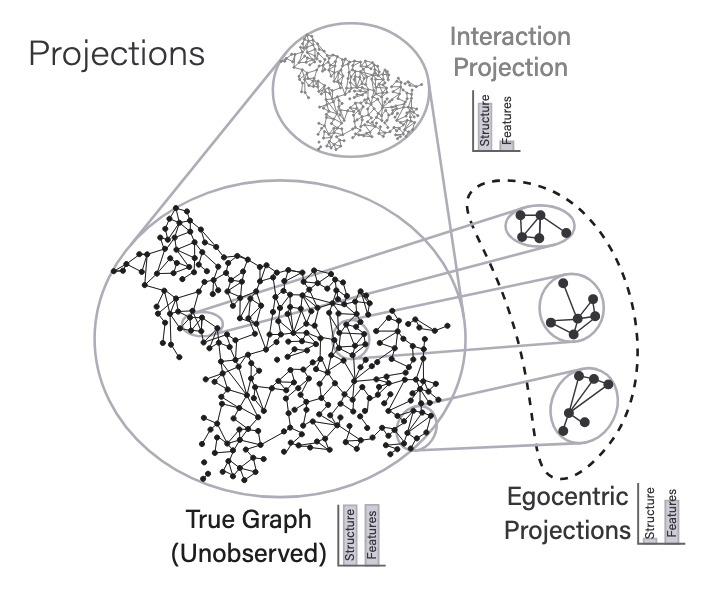
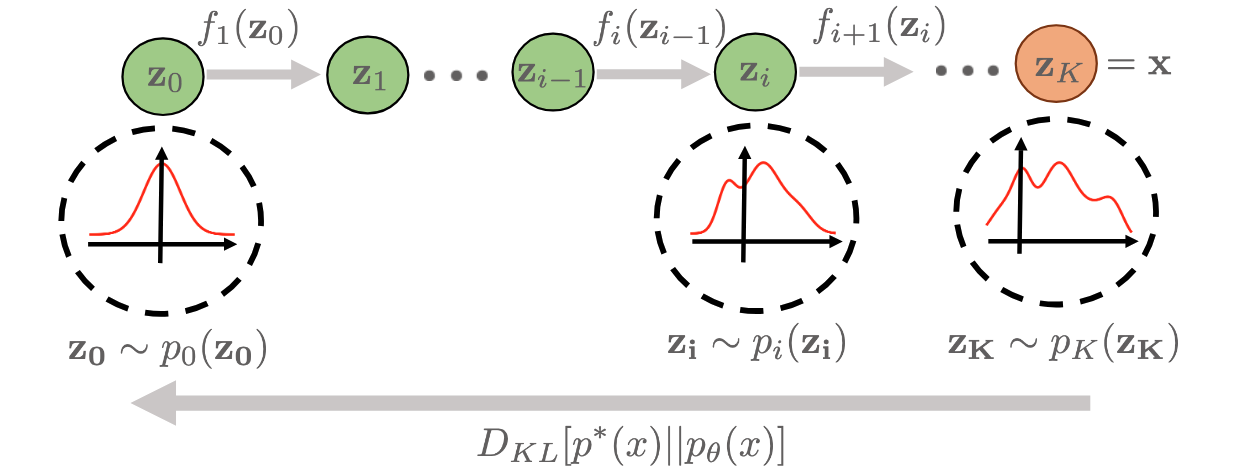
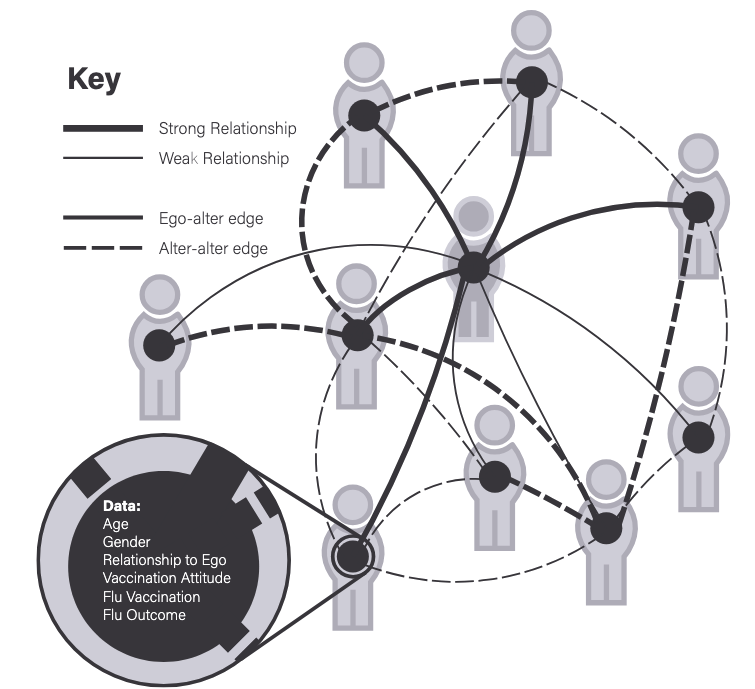
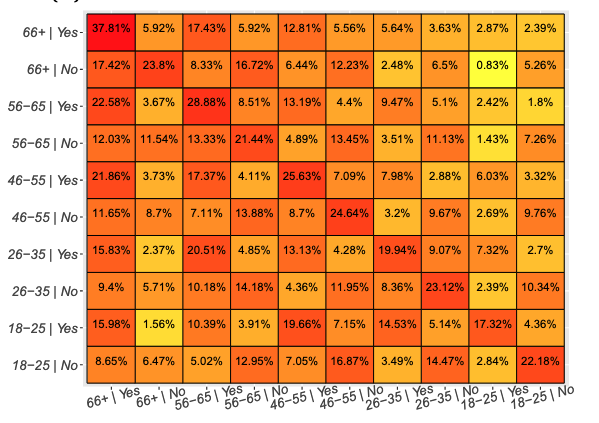
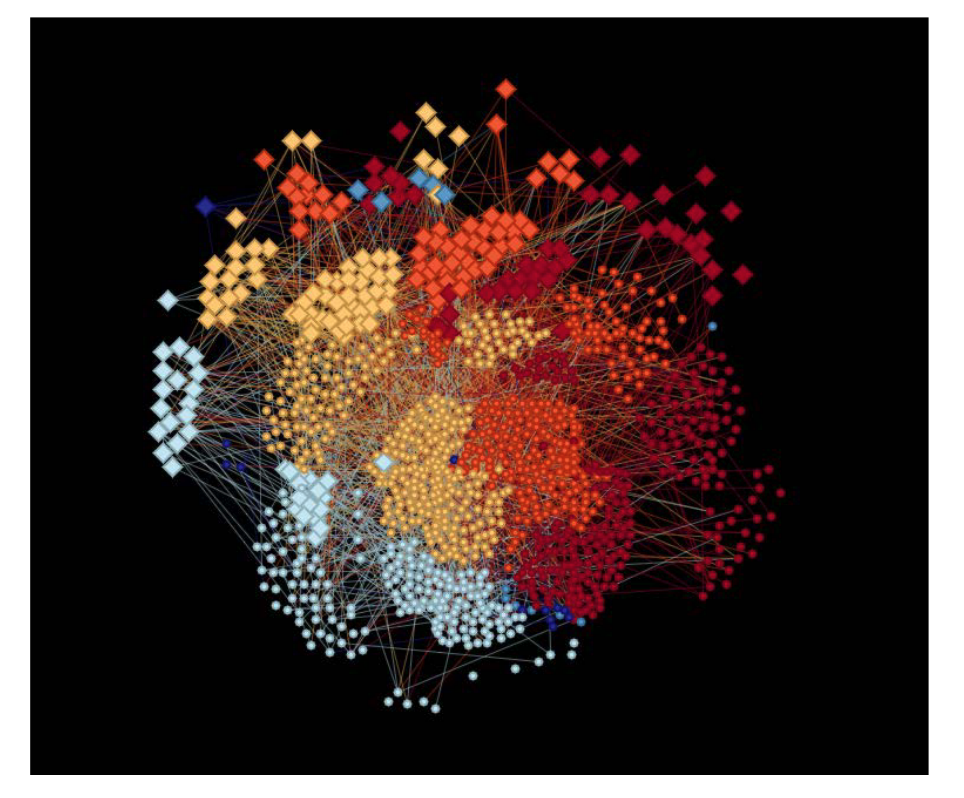
We use deep generative modeling techniques to construct synthetic social networks that reproduce real-world, city-scale interaction patterns. These networks preserve demographic marginals, household structure, and age-specific mixing, while remaining fully synthetic and privacy-preserving.
Normalizing flows and related architectures allow us to fuse heterogeneous data sources—including census data, time-use surveys, and egocentric contact data—into coherent network realizations that serve as realistic substrates for large-scale agent-based simulations.
Tax Evasion as a Social Contagion Process
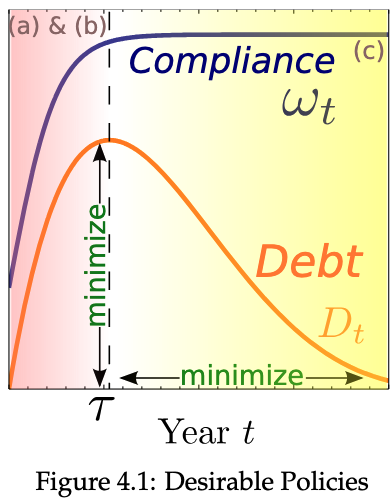
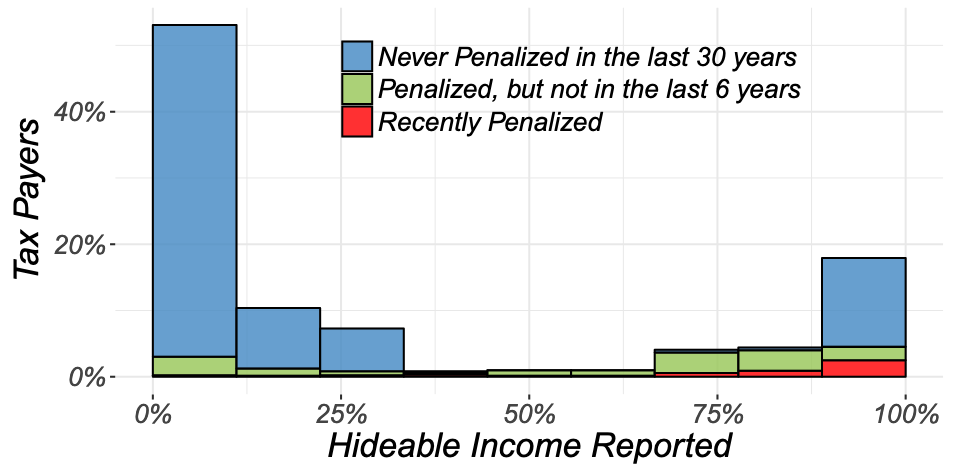
We model income tax evasion as an adaptive behavior shaped by peer observation, perceived fairness, and enforcement signals. Individuals update compliance based on local social context, allowing evasion to cluster, persist, or dissipate across heterogeneous networks.
The framework enables evaluation of behavioral interventions, audit strategies, and informational policies, highlighting nonlinear spillovers and unintended consequences that arise when compliance is socially mediated.
Optimal Timing of Non-Pharmaceutical Interventions
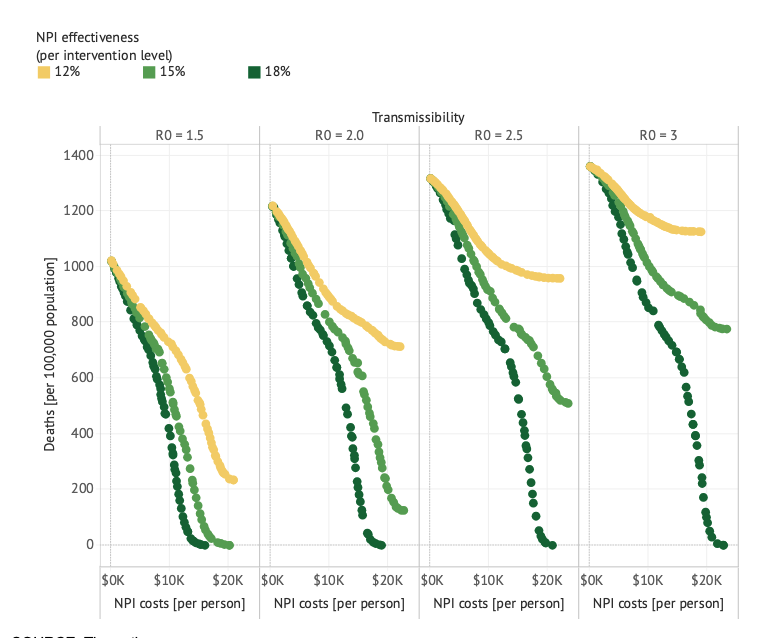
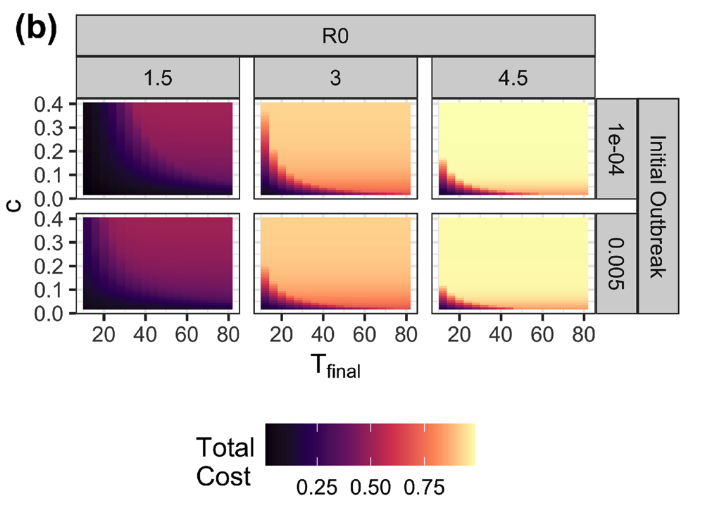
Pareto frontier illustrating tradeoffs between epidemic burden and intervention costs across alternative timing and intensity strategies.
We study epidemic control strategies that balance health outcomes against economic and social costs. Using optimal control and boundary-value formulations, these models reveal how timing, duration, and sequencing of interventions shape long-term outcomes.
The analysis emphasizes robustness under uncertainty, identifying non-dominated strategies across plausible futures rather than single-point optimal solutions.
Health Care Workforce Dynamics
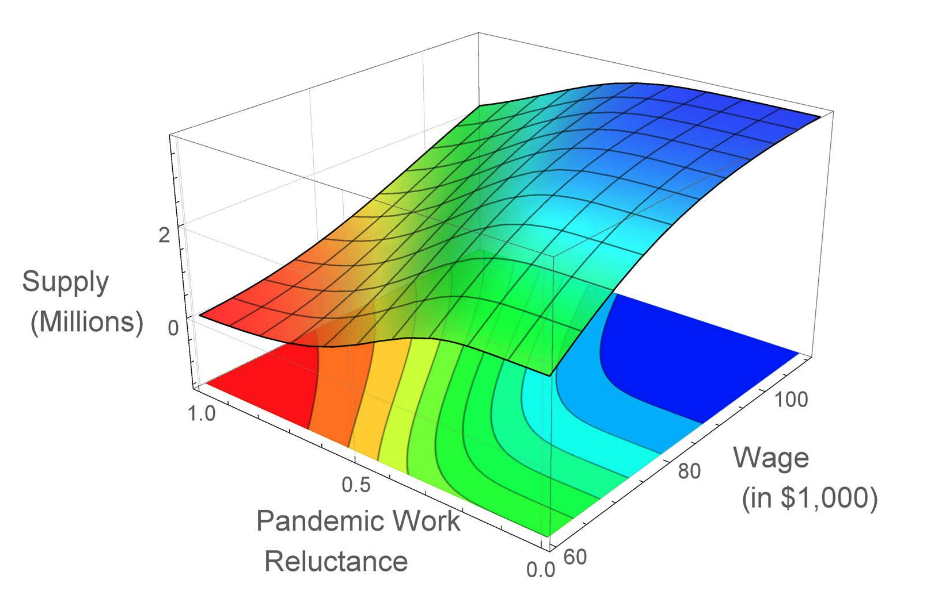
We model health care workforce dynamics during crises as an adaptive labor system shaped by economic incentives, occupational risk, burnout, and institutional constraints. Focusing in particular on nursing labor markets, our models quantify how wages, working conditions, perceived infection risk, and mental strain jointly influence entry, exit, and role transitions during pandemics.
By linking labor supply responses to hospital capacity and patient throughput, this work reveals feedback loops between workforce availability and disease transmission. The framework supports evaluation of surge pay, staffing policies, and workforce stabilization strategies, highlighting how short-term labor responses can have long-term implications for health system resilience.
Read paper — Frontiers in Epidemiology (2026) →Path-Dependent Microsimulation for Health Financing
The Longitudinal Health, Income, and Employment Model (LHIEM) is a discrete-time microsimulation that advances individuals year by year, capturing the accumulation of health, income, employment, and insurance outcomes over the life course. Individuals evolve through a Markov process with rich state dependence, allowing past events to shape future trajectories.
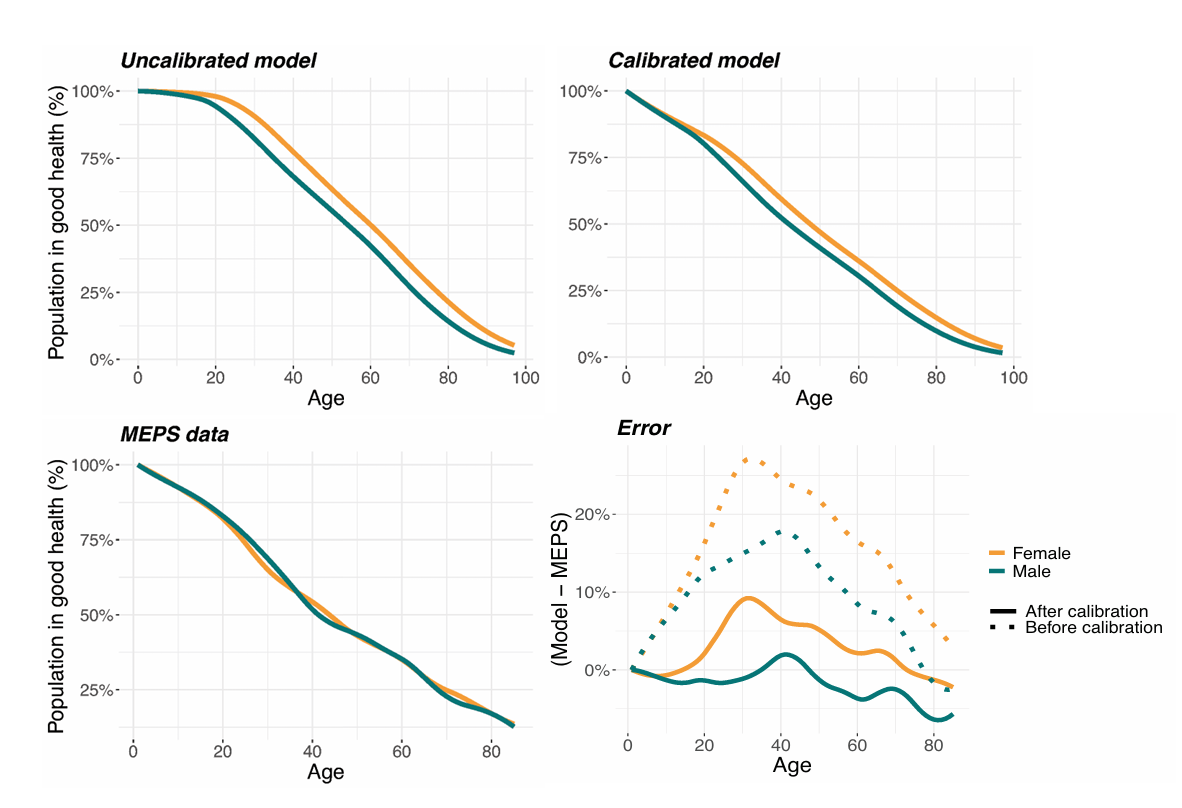
This structure enables rigorous evaluation of health financing reforms, safety-net policies, and labor market shocks whose impacts unfold cumulatively rather than instantaneously. LHIEM supports policy analysis under uncertainty by preserving distributional effects, heterogeneity, and long-run fiscal and health consequences.
Decision Analysis for Medical Screening
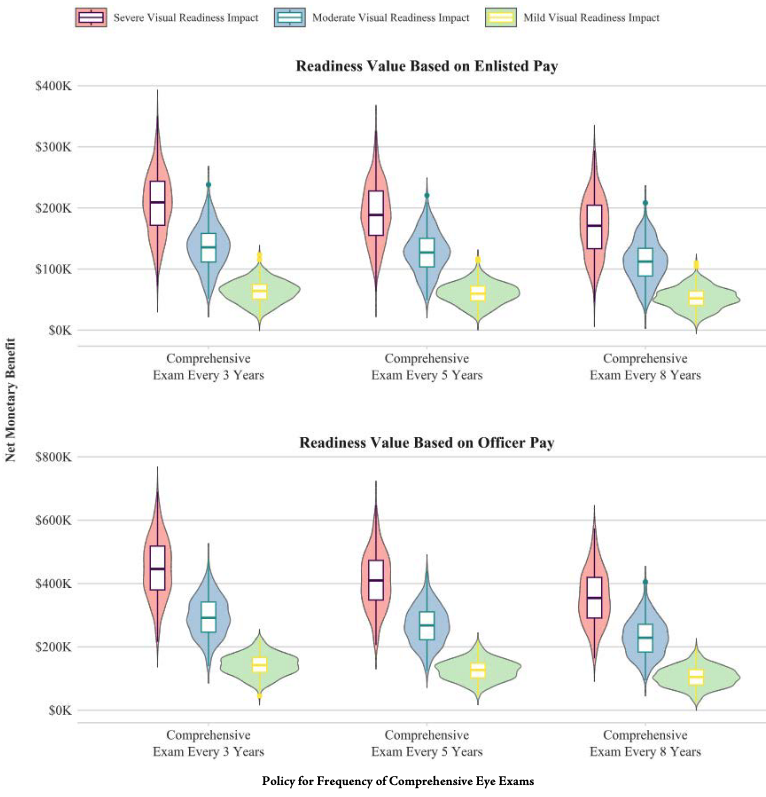
We develop decision-analytic models to evaluate and optimize medical screening protocols under uncertainty, integrating disease prevalence, diagnostic performance, treatment pathways, and operational constraints. These models explicitly account for downstream outcomes such as readiness, eligibility, and system capacity. Applied to large institutional settings, including military health systems, this work quantifies trade-offs between detection, cost, and operational impact. The approach supports evidence-based screening policy design by identifying strategies that maximize health and readiness benefits while remaining robust to uncertainty in epidemiology and resource availability.
Climate-Driven Health Demand
We develop systems-dynamics models that link climate variables to disease prevalence, health care utilization, and pharmaceutical demand across multiple chronic conditions, including cardiovascular disease, asthma, kidney disease, and neurodegenerative disorders. These models capture how environmental stressors propagate through population health over time.
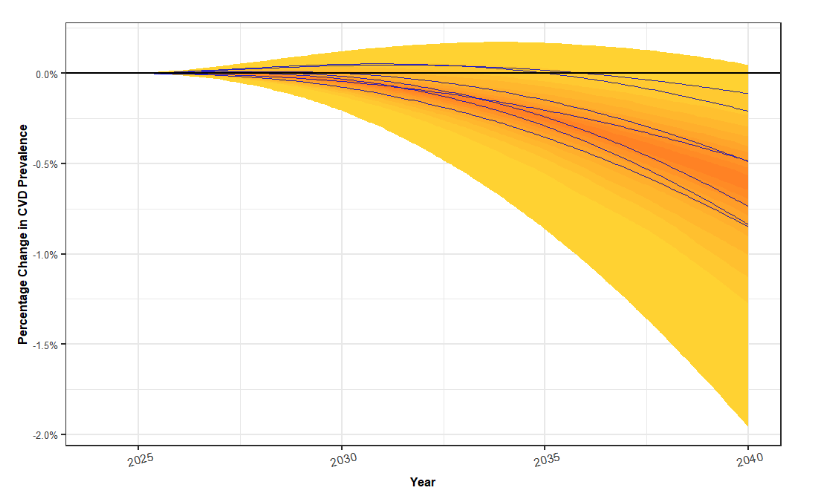
By integrating climate scenarios with epidemiological and health system dynamics, this work supports long-horizon planning for drug supply, health care capacity, and public health preparedness. The framework emphasizes nonlinear responses, delayed effects, and compounding risks that are central to climate-driven health impacts.
Personal & Exploratory Work
Quantitative Methods for Personal Portfolio Analytics
As a personal research project, Dr. Vardavas applies the same mathematical modeling and calibration methodology used in public health and policy work to portfolio analytics. The framework, built in R, integrates market data and macroeconomic indicators—including VIX-based volatility regime classification, CAPE ratio, the Buffett Indicator, and yield curve dynamics—to support systematic asset allocation decisions. Core techniques include EWMA smoothing, rolling Sharpe ratio estimation, and a precious metals rotation strategy driven by cross-volatility signals. The work is exploratory and for personal use only; Dr. Vardavas is not a financial adviser and nothing derived from this framework constitutes investment advice. It primarily illustrates the transferability of complex systems modeling tools—regime detection, calibration under uncertainty, and scenario analysis—across domains beyond public health and policy.
Personal & Exploratory Work
Fundamental Physics
Dr. Vardavas holds a PhD in condensed matter physics and maintains an ongoing engagement with foundational questions in the field — particularly the nature of time and reversibility across classical mechanics, quantum mechanics, and general relativity. This work is personal and sits entirely outside consulting engagements. A working paper is currently in preparation examining whether time is a physical primitive or emerges from comparing one change against another, tracing the question through the mathematics of each major domain.